Choosing a Roofer in Clearwater: Why Coastal Homes Need Specific Asphalt Shingle Expertise
Choosing a Roofer in Clearwater: Why Coastal Homes Need Specific Asphalt Shingle Expertise
Living in Clearwater, Florida, offers the charm of stunning waterfront views and the vibrant coastal lifestyle. However, owning a home in this picturesque setting comes with unique challenges, particularly when it comes to roofing. The harsh coastal environment, characterized by salt air, high humidity, and the threat of hurricane-force winds, demands specialized roofing solutions to ensure longevity and durability.
The Unique Roofing Challenges of Coastal Clearwater
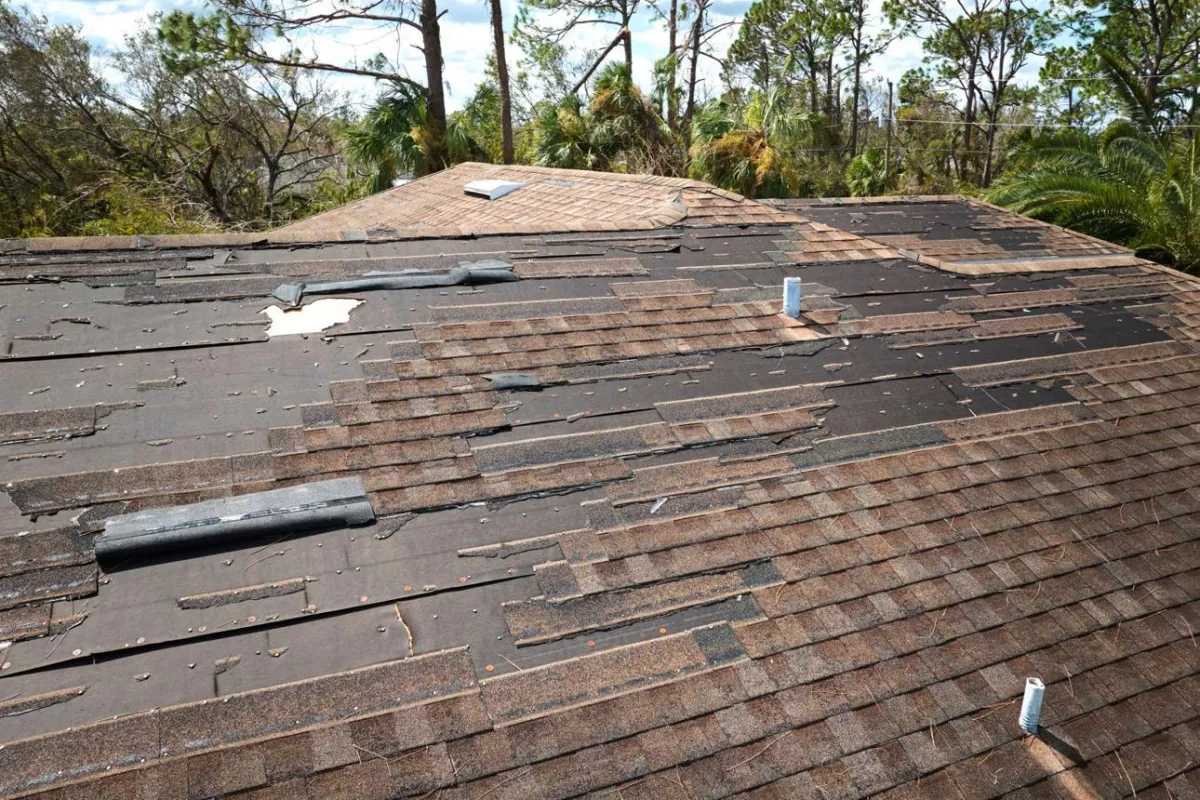
Homes in Clearwater face environmental stressors that can significantly reduce the lifespan of standard roofing systems. Salt-laden air accelerates the corrosion of metal fasteners and flashing, while persistent humidity creates conditions conducive to mold and rot. Additionally, the threat of hurricanes requires that roofs withstand wind speeds that inland homes seldom encounter. These factors make it crucial for homeowners to choose a roofer with specific expertise in coastal conditions.
Why Standard Roofing Practices Fall Short
Inland homes might benefit from standard roofing materials and installation methods, but these are often inadequate for coastal environments. For instance, basic 3-tab shingles might last up to 25 years in Orlando but could fail in as little as 12-15 years in Clearwater due to the corrosive and humid conditions. Coastal roofing requires not only durable materials but also installation techniques that account for these unique stressors.
Coastal Expertise: What to Look For
When selecting a roofing contractor in Clearwater, Florida, it's essential to verify their coastal expertise. This involves more than just marketing claims; it's about a proven understanding of the materials and methods required to combat the coastal elements.
Key Material Considerations
Wind-Rated Shingles: In compliance with the Florida Building Code, shingles in coastal areas must withstand winds of at least 130 mph. Many premium shingles, such as Owen's Corning's TruDefintion Duration Shingles, offer resistance up to 150 mph, providing extra protection during hurricane season.
Corrosion-Resistant Fasteners: Standard galvanized nails are prone to rust in salt air. Instead, stainless steel or specially coated fasteners are necessary to maintain roof integrity over time.
Synthetic Underlayment: Traditional felt paper can't match the performance of synthetic underlayment in high-moisture environments. These materials resist mold, maintain waterproofing, and are essential for coastal roofing projects.
Secondary Water Barriers: A crucial component for coastal homes, self-adhering granulated water barriers provide additional protection against water intrusion, particularly during storms, and are often required by local building codes.
Installation Techniques
Enhanced Fastening: Proper attachment methods are critical. This includes using the correct number of fasteners per shingle (6) and ensuring all components meet high-wind zone requirements.
Ventilation Solutions: Adequate attic ventilation prevents moisture accumulation, which can lead to wood rot and mold. Coastal roofers should tailor ventilation strategies to the specific needs of your home.
Navigating Local Building Codes and Permits
Clearwater and Pinellas County have specific building regulations that exceed state minimums, particularly for homes near the coast. A reputable roofer should be well-versed in these requirements. Proper permitting and inspections ensure compliance with local codes, safeguarding your home and investment.
The Financial Benefits of Wind Mitigation
In Florida, implementing wind mitigation features can lead to significant insurance savings. Features such as wind-resistant shingles not only protect your home but also qualify for insurance discounts. It's a savvy investment that pays off in both safety and cost savings.
Essential Questions for Your Roofer
To assess a roofer's coastal expertise, consider asking:
"What wind rating do you recommend for my location, and why?" A comprehensive answer should reference local codes and appropriate shingle products.
"What fasteners and flashing materials do you use?" Look for mentions of corrosion-resistant options designed for salt air exposure.
"How do you handle conditions in coastal environments?" Effective strategies should address moisture management and temperature control.
"Are you familiar with Pinellas County's roofing requirements?" This ensures they understand local regulations and can navigate the permitting process effectively.
Quality Installation Over Cost-Cutting Measures
The best materials can underperform if improperly installed. In coastal areas, the quality of installation is paramount. Contractors who cut corners to offer lower prices might compromise on essential elements like fastening and ventilation, leading to premature roof failure.
Long-Term Value of Coastal Roofing Expertise
While the upfront cost of hiring a coastal-experienced roofer might be higher, the long-term benefits far outweigh the initial expense. A properly installed roof with the right materials can extend its lifespan significantly, reducing the frequency and cost of replacements.
Consider this: a budget installation costing $12,000 might last 15 years, whereas a higher-quality installation could extend that lifespan by 30-40%, providing better value over time.
Frequently Asked Questions
What specific challenges do coastal homes in Clearwater face regarding their roofs?
Coastal homes deal with salt air corrosion, high humidity, and hurricane-force winds, requiring specialized materials and installation techniques.
How does salt air and humidity affect asphalt shingles and roofing components?
Salt air accelerates corrosion of metal components, while humidity encourages mold growth and wood rot, compromising roof integrity.
What are the Florida Building Code requirements for coastal roofing in Pinellas County?
The code mandates wind-resistant materials, enhanced fastening schedules, and secondary water barriers to withstand high-wind conditions.
What types of asphalt shingles are best suited for high-wind and hurricane-prone areas?
Shingles rated for at least 130 mph, such as those from Owen's Corning Duration line, provide enhanced protection against severe weather.
Can specialized roofing materials or installation methods help reduce home insurance premiums in Florida?
Yes, wind mitigation features like impact-resistant shingles and secondary water barriers can lead to significant insurance savings.
Conclusion
Choosing the right roofer in Clearwater, FL for your coastal home involves more than just picking a contractor. It requires finding a partner with the expertise to protect your home from the unique challenges posed by the coastal environment. By focusing on specialized materials, adherence to local codes, and proven installation techniques, you can ensure your roof not only withstands the elements but also adds long-term value to your property.