Gooseneck Vents 101: Keeping Your Villages Home Dry and Mold-Free
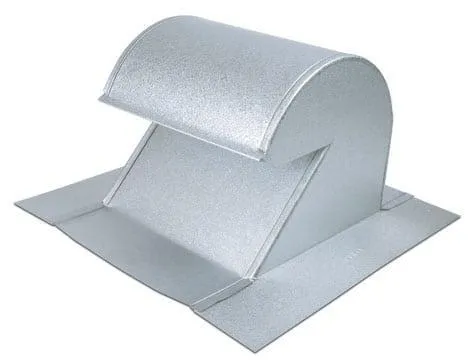
A gooseneck vent is a roof-mounted exhaust termination designed to safely discharge air from a specific system inside the home. It is not an attic ventilation component. Instead, it connects to a dedicated duct line such as a bathroom fan, kitchen exhaust, or dryer vent.
The defining feature is its curved, downward-facing hood. This design allows air to exit while blocking rain, debris, and pests from entering the duct.
What a Gooseneck Vent Actually Does
A gooseneck vent functions as the final exit point for forced air being pushed through a duct by a fan or appliance. It ensures that moisture, heat, lint, or odors are expelled outside the structure rather than trapped inside.
Common applications include:
Bathroom exhaust fans
Dryer vents (when properly sized and rated)
Kitchen exhaust (non-grease applications)
It does not ventilate the attic. Attic airflow is handled by ridge vents, soffit vents, and other passive systems.
Why Proper Vent Termination Matters
Improper exhaust termination can lead to moisture buildup, mold risk, and reduced system efficiency. For example, venting a bathroom fan into an attic instead of through a gooseneck vent allows humidity to accumulate, which can damage insulation and wood framing over time.
A correctly installed gooseneck vent ensures:
Moisture is expelled outside the home
Airflow remains unrestricted
Water intrusion is prevented at the roof penetration
Key Features
Design:
The curved hood directs air downward and reduces the risk of wind-driven rain entering the system.
Airflow Type:
Gooseneck vents rely on mechanical airflow, not passive airflow like attic ventilation systems.
Materials:
Typically made from aluminum, galvanized steel, or coated steel for durability.
Dampers:
Some models include a backdraft damper to prevent outside air from entering when the system is off.
Installation Requirements
Proper installation is critical. Most failures are not due to the vent itself, but how it was installed.
Requirements include:
Correct flashing integrated with the roofing system
Sealed fasteners and penetration points
Proper duct size matching the appliance
Secure duct connection below the roofline
Adequate placement to avoid interference with other roof components
Improper installation can lead to roof leaks and reduced performance.
Maintenance and Inspection
Gooseneck vents require minimal maintenance but should be inspected during routine roof checks.
Look for:
Cracked or failing sealant
Rust or corrosion
Lint buildup in dryer vents
Blocked airflow
Damper malfunction
Addressing these early prevents larger issues.
Common Questions
What is a gooseneck vent on a roof?
It is a curved roof vent used to terminate an exhaust duct from systems like bathroom fans or dryers.
Does a gooseneck vent ventilate the attic?
No. It only serves a specific exhaust line. Attic ventilation requires a separate system.
When should you use a gooseneck vent?
Anytime a ducted system needs to exhaust air through the roof safely and without allowing water intrusion.
Final Takeaway
A gooseneck vent is a simple but critical component in a roofing system when exhaust ducts are involved. It ensures controlled airflow out of the home while protecting the roof from leaks and intrusion.
If you are installing or replacing one, the quality of installation matters more than the vent itself. Proper flashing, sealing, and sizing determine long-term performance.