
Porches, lanais, additions & low-slope roofs
Flat Roof Repair & Replacement in The Villages, FL
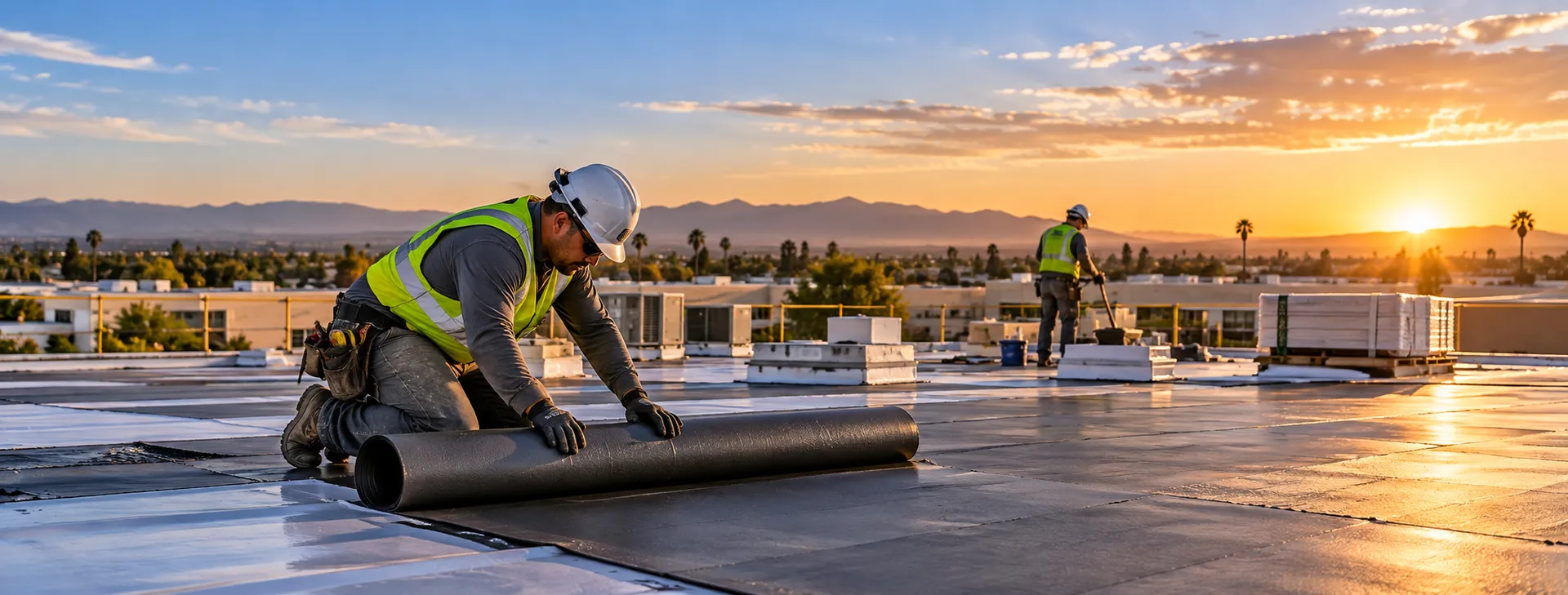
Flat roof repair with NB Roofs starts by finding where water gets in, usually an open seam, a blister or failed flashing, then repairing the membrane in that area. When the membrane is worn across the roof or the insulation under it is wet, NB Roofs replaces the flat roof with a new modified bitumen, TPO, PVC or EPDM system.
- State Certified Contractor
- Locally Owned
- Financing
What we do
Flat Roof Repair, Replacement and Maintenance
Many homes in The Villages and Central Florida have a flat or low-slope section that shingles cannot cover: a porch, lanai, carport or addition. NB Roofs repairs, replaces and maintains these roofs.
-
Flat Roof Replacement
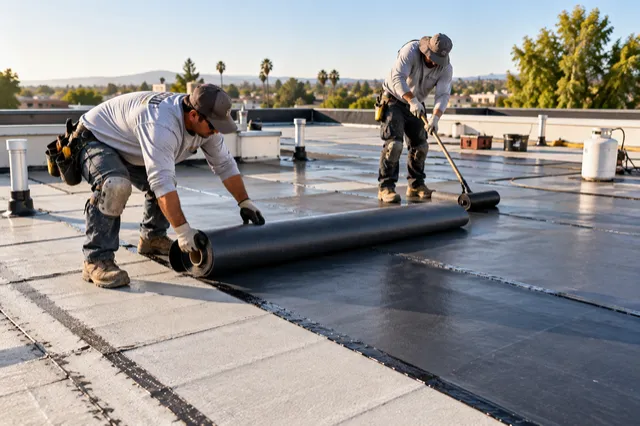
A flat roof replacement removes the old layers down to the deck, dries out or replaces wet insulation and damaged decking, and builds in enough slope for water to drain before the new membrane goes on.
- Modified bitumen, TPO, PVC and EPDM options
- Slope and drainage planned before the membrane
- Flashing at walls, curbs and roof openings
-
Flat Roof Repair
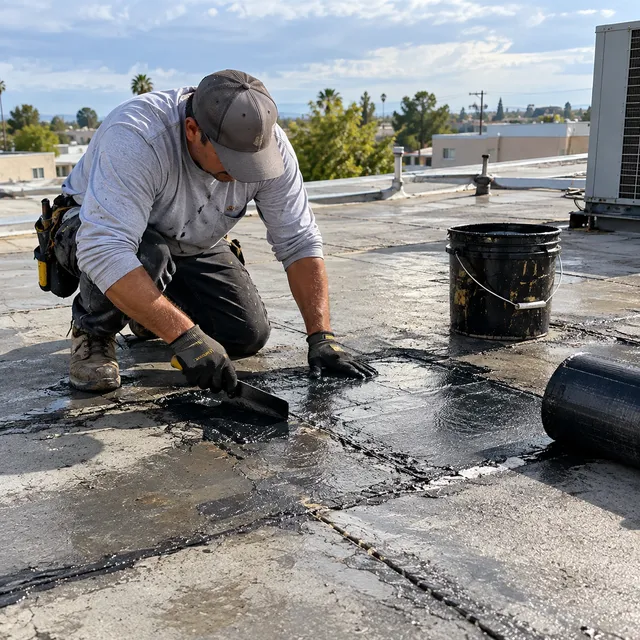
Flat roof repair fixes the place water gets in: an open seam, a tear or blister in the membrane, or loose flashing at a wall, curb or AC stand. Water can travel under the membrane, so the leak is traced before anything is patched.
- Seams, blisters and tears repaired
- Flashing at walls and roof openings resealed
- Straight advice when a repair stops making sense
-
Flat Roof Maintenance
A flat roof depends on its drains. Maintenance keeps drains, gutters and scuppers clear, checks seams and flashing before the summer rains, and catches small problems while they are still repairs.
- Drains, gutters and scuppers cleared
- Seams and flashing checked
- A check after major storms
What a flat roof inspection looks at
- Membrane and seams: tears, splits, blisters, open seams and worn areas.
- Drainage: ponding water, low spots, and clogged drains, gutters or scuppers.
- Flashing and penetrations: walls, curbs, vents and AC stands, where many flat roof leaks start.
Flat roofing terms
- Membrane
- The waterproof sheet that covers a flat roof
- Low-slope
- A roof with just enough pitch for water to drain
- Ponding
- Water still standing 48 hours after rain
- Scupper
- An opening in a wall or roof edge that lets water off
- Tapered insulation
- Boards cut on a slope to steer water to drains
- Heat-welded seam
- A TPO or PVC seam fused with hot air
Repair or replace
When is flat roof repair enough?
Flat roof repair is usually enough when the damage sits in one area, such as a split seam, a blister or loose flashing, and the insulation around it is dry. A flat roof usually needs replacing when the membrane is cracked or shrinking across the roof, the insulation is wet in several places, or leaks keep coming back.
Usually a repair
- One leak in a single area of the ceiling
- A small tear, split or blister in the membrane
- A loose seam or damaged flashing at a wall, curb or vent
- A clogged drain or scupper causing ponding water
Usually a replacement
- Cracking, shrinking or worn membrane across large areas
- Ponding water in many spots, or low areas that keep coming back
- Soft or spongy spots that point to a wet deck or insulation
- Repeated leaks in different parts of the building
- Storm damage across large sections of the roof
Membrane still sound but worn by the sun? A roof coating may be an option. Damage after a storm? See storm damage roof repair.
Flat roof materials
What is the best flat roof material for Florida?
There is no single best flat roof material for every Florida home. Modified bitumen is a common, tough choice for porches and additions. TPO and PVC are white single-ply membranes that reflect sun and have heat-welded seams. EPDM is a rubber membrane laid in large sheets. The right one depends on the roof's size, drainage, foot traffic and budget.
Modified bitumen
Asphalt-based sheets reinforced with polyester or fiberglass, applied in layers. Thick and puncture-resistant, a common choice for porches, carports and additions.
TPO
A white single-ply membrane with heat-welded seams. Reflects sun and suits larger, open roof areas.
PVC
A single-ply membrane like TPO, also heat-welded, with a long record on roofs that see grease or chemicals, such as near kitchen vents.
EPDM (rubber roofing)
A synthetic rubber membrane laid in large sheets, so there are fewer seams. Usually black unless it has a white top layer or coating.
Built to drain
How is a flat roof replaced so water drains off?
A flat roof is never truly flat. The Florida Building Code calls for new membrane roofs to have a design slope of at least 1/4 inch per foot (2 percent), so a replacement is planned around where the water will go before the membrane goes on.
Remove old layers
Old membrane and wet insulation come off, so the deck can be checked for soft or rotted spots and repaired.
Map the low spots
Where water has been standing shows where the roof needs more slope, or a new drain or scupper.
Build in the slope
Tapered insulation boards, or a cricket at a wall, steer water toward the drains, gutters and scuppers.
Install the membrane
The membrane goes on as the manufacturer specifies, with seams heat-welded or sealed for that system.
Flash every edge and opening
Walls, curbs, pipes, AC stands and roof edges get flashing, because these joints are where most flat roof leaks start.
Check the drainage
Drains and scuppers are cleared and checked so water leaves the roof well within 48 hours of rain.
Flat roof lifespan
How long does a flat roof last in Florida?
InterNACHI's life expectancy chart lists modified bitumen at 20 years, EPDM at 15 to 25 years and TPO at 7 to 20 years, as guidelines. In Central Florida, drainage, sun and how quickly small repairs are made decide where a flat roof falls in that range.
Drainage
Water that stays more than 48 hours after rain counts as ponding in the roofing industry glossary. It wears the membrane and seams faster, so clear drains add years to a flat roof.
Sun and heat
Florida sun dries out and shrinks roofing membranes over time. White TPO and PVC, or a reflective top coat, take less heat than a dark surface.
Repairs and storms
An open seam left alone lets water soak the insulation, and wet insulation shortens the life of the whole roof. A check after major storms keeps damage small. See storm damage roof repair.
Why NB Roofs
Why choose NB Roofs for flat roof repair?
Nieves & Baker Roofing is a locally owned roofing company with its office in Leesburg, a short drive from The Villages.
State Certified Roofing Contractor
Florida license #CCC1328686, which you can look up on the Florida DBPR license search.
Owners in the trade since 2000
The owners have worked in the roofing trade since 2000, and the NB Roofs office was established in 2019.
Local office in Leesburg
The office at 1014 W Dixie Ave serves The Villages and six Central Florida counties.
Starting estimate online
The online estimate tool on this page gives a starting figure, and the final price follows an on-site roof assessment.
Financing available
Financing through Hearth can help spread out the cost of a new roof. View financing.
The whole roof, not just the flat part
Many homes pair a flat porch or addition with a shingle or metal main roof. NB Roofs works on both and flashes the joint between them. For businesses, see commercial roofing.
NB Roofs services
Our Roofing Services
Roofing services for homeowners in The Villages, Leesburg and across Central Florida.
-
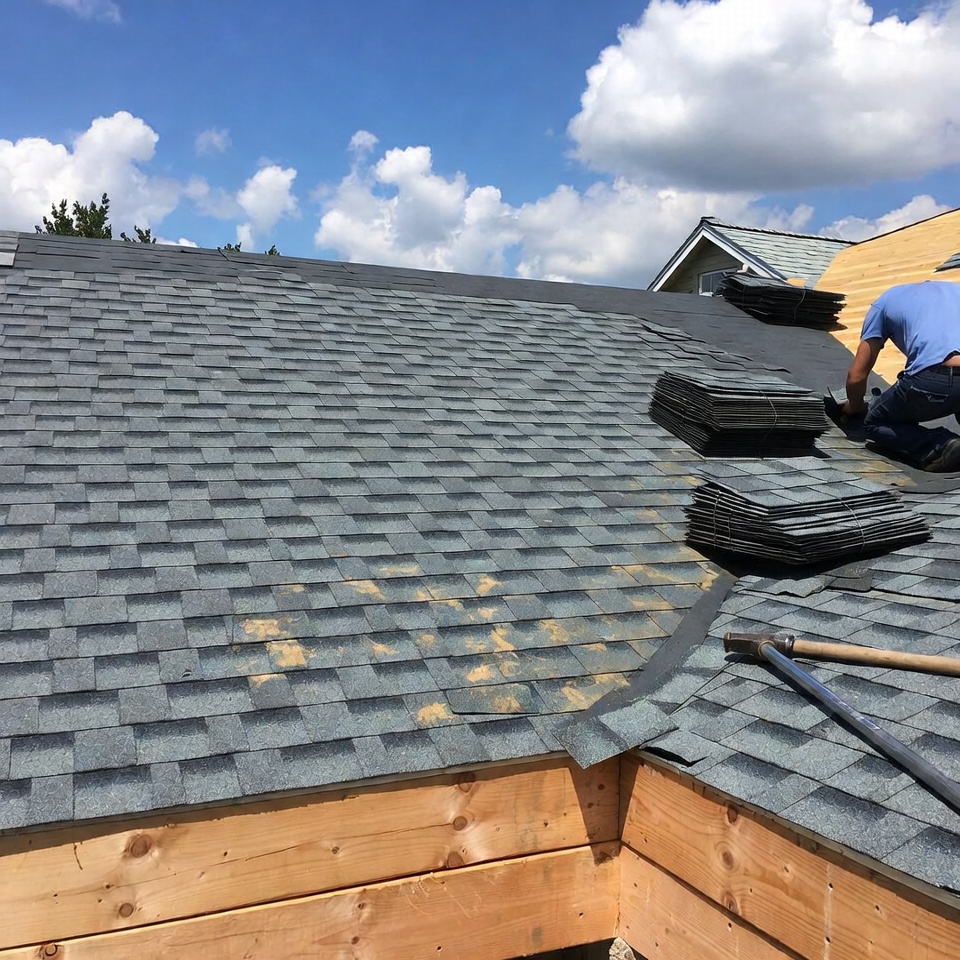 Roof Replacements
Full tear-off and a new roof system.
Learn more →
-
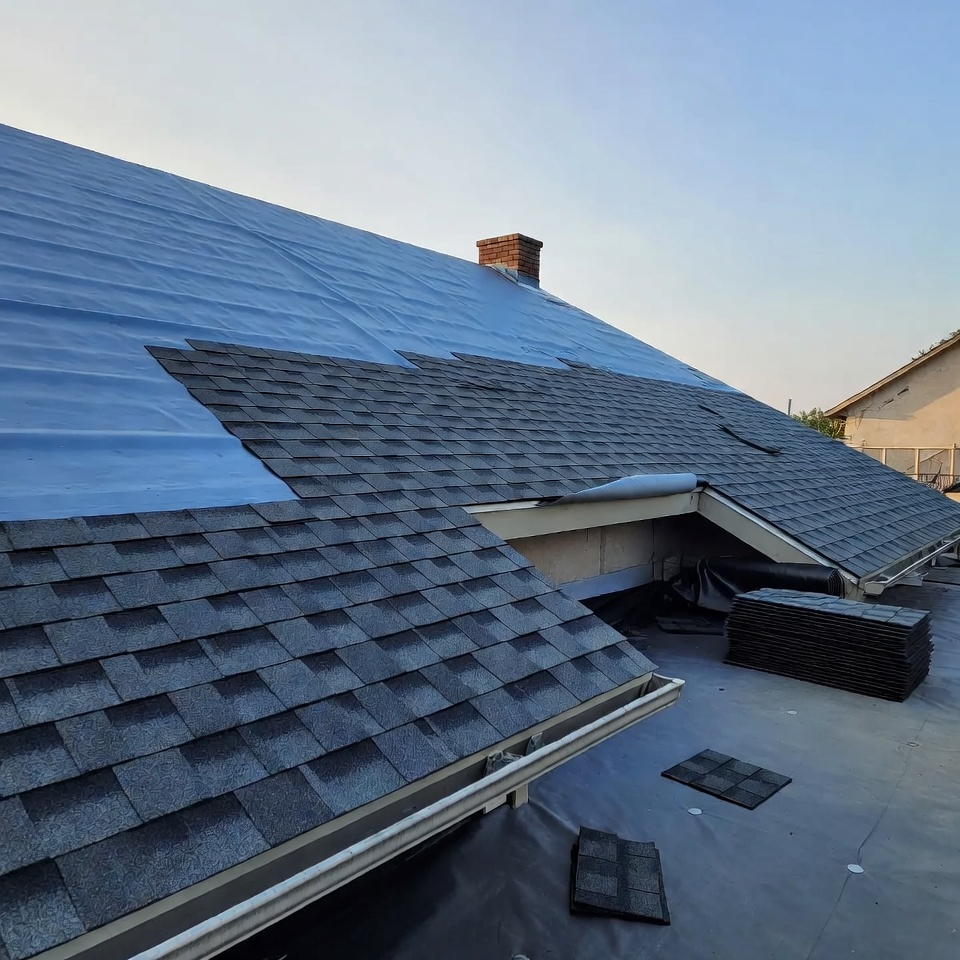 Shingle Roofs
Shingle roof installation, replacement and repair.
Learn more →
-
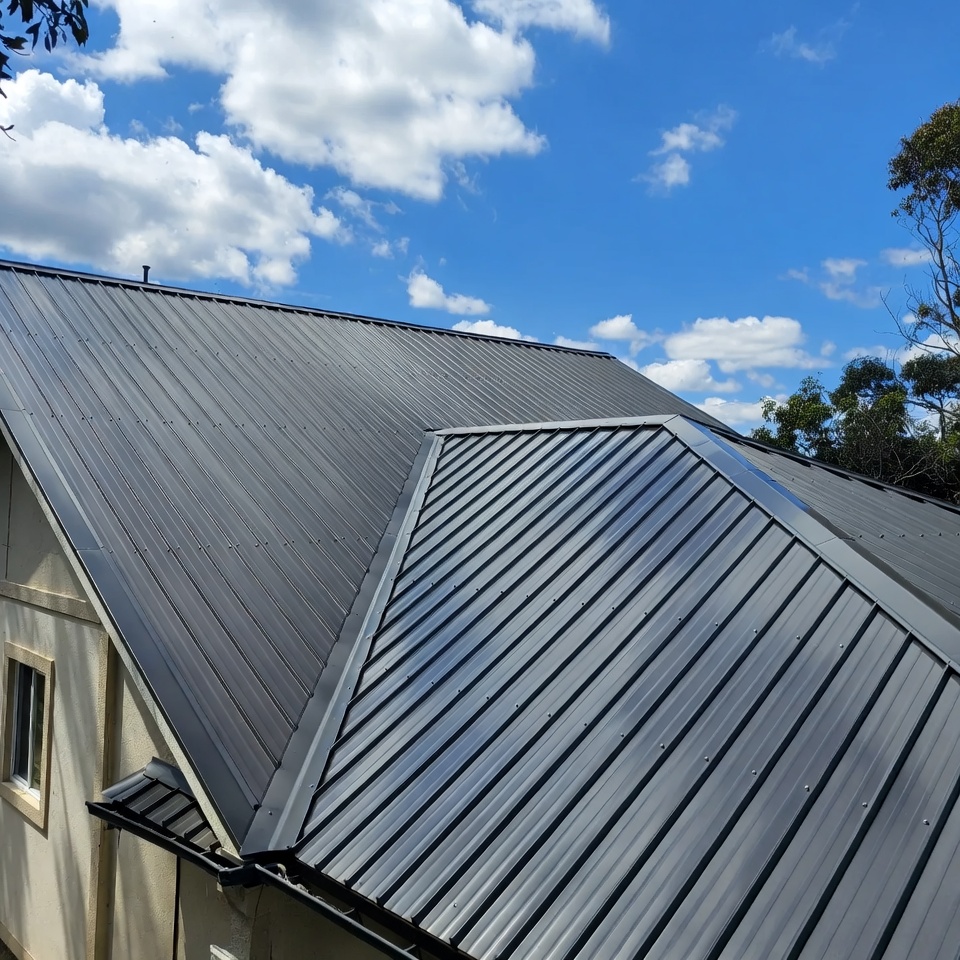 Metal Roofing
Metal roofs for Central Florida homes.
Learn more →
-
Flat Roofs
Flat and low-slope roof services.
Learn more →
-
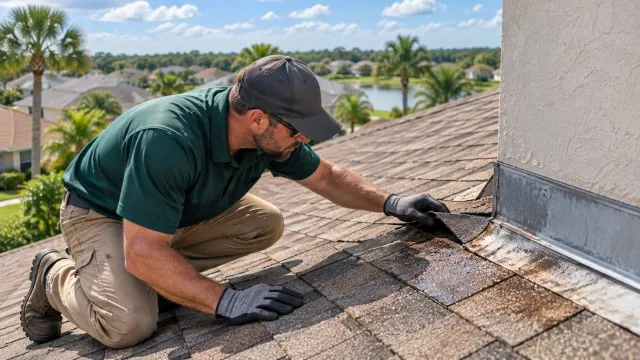 Leak Repair
Find the source of a leak and fix it.
Learn more →
-
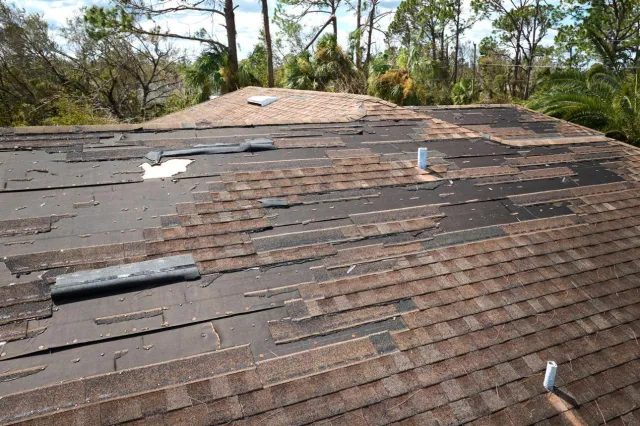 Storm Damage
Roof repair after wind and storm damage.
Learn more →
-
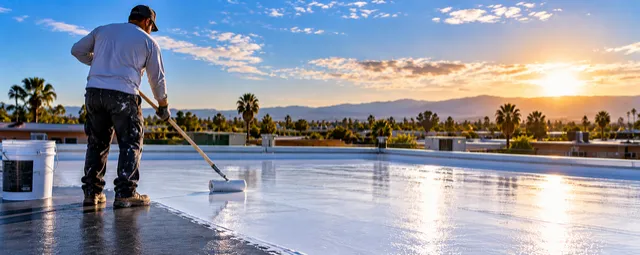 Roof Coating
A protective coating for a roof that is still sound.
Learn more →
-
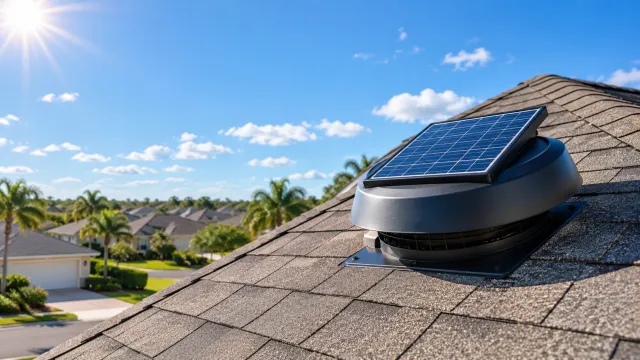 Solar Vents
Solar-powered attic ventilation.
Learn more →
State Certified Roofing Contractor, License #CCC1328686
Cost and value
How much does flat roof replacement cost in Florida?
The cost of a flat roof replacement in Florida depends on the roof's size, the membrane system, how many old layers come off, how much insulation is wet, decking repairs, drainage work, and details like curbs, vents and AC stands. NB Roofs prices each flat roof after an on-site roof assessment.
Financing is available, and the online instant estimate tool gives a quick starting point.
What affects the cost of a flat roof?
- Roof sizeThe total area of the roof.
- Membrane systemModified bitumen, TPO, PVC or EPDM.
- Tear-offHow many old layers need to come off.
- Deck and insulationWet insulation or damaged decking found after tear-off.
- DrainageLow spots, drains, gutters and scuppers.
- DetailsFlashing at walls, curbs, vents and AC stands.
Instant estimate
Get your roof price in minutes
Questions
Flat Roof Questions from The Villages Homeowners
-
What causes ponding water on a flat roof?
Ponding water on a flat roof is usually caused by low spots, a sagging or damaged deck, wet insulation that has compressed, or clogged drains, gutters and scuppers. The fix depends on the cause: clearing drains, repairing the deck, or adding tapered insulation or a new drain so water runs off.
-
How long should water stay on a flat roof after rain?
Not more than 48 hours. The roofing industry's definition of ponding is water that remains more than 48 hours after rain in drying weather, and the Florida Building Code defines positive drainage the same way. Water that sits longer points to a drainage problem.
-
How can I tell if the insulation under my flat roof is wet?
Soft or spongy spots underfoot, blisters in the membrane, ceiling stains away from any seam, and a musty smell in the room below are common signs. A roofer confirms it by checking the area directly, and wet insulation is replaced, because it stays wet and rots the deck.
-
Can you patch a flat roof yourself?
A small temporary patch can slow a leak until a roofer arrives, but it rarely lasts, and some patch products do not bond to TPO, PVC or EPDM. The safer step is to call for a repair. See roof leak repair for what to do while you wait.
-
Who repairs flat roofs in The Villages, FL?
Nieves & Baker Roofing (NB Roofs) repairs, replaces and maintains flat roofs in The Villages, FL and across Sumter, Lake, Marion, Citrus, Hernando and Levy counties, including modified bitumen, TPO, PVC and EPDM roofs. NB Roofs is a locally owned State Certified Roofing Contractor (License #CCC1328686). Call (352) 269-2157 to schedule a roof assessment.
Information on this page is provided by Nieves & Baker Roofing, LLC, State Certified Roofing Contractor, License #CCC1328686. Last updated:

Talk with the NB Roofs Office
Call the us at (352) 269-2157, Monday to Friday from 8 am to 5 pm, or request a roof assessment online and the office will reach out to set a time.